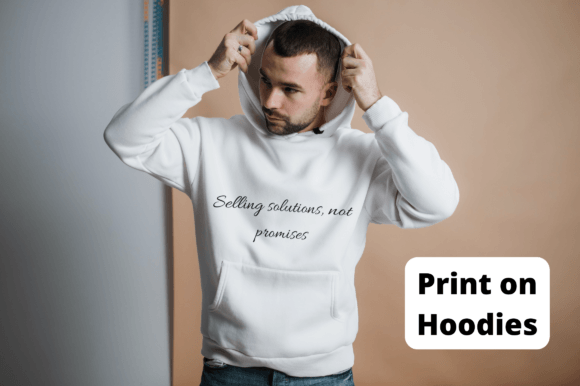
Reviewing Selling Solutions Not Promises Art
As a designer who has spent years staring at digitized files and watching needles punch through fabric, I have learned that the difference between a mediocre product and a bestseller often comes down to the clarity of the message. When I first pulled up Selling Solutions Not Promises Art, my immediate reaction was not just about aesthetics, but about utility. This is not merely a decorative element; it is a statement piece. For embroidery designers, small business owners, and Etsy sellers, finding graphics that bridge the gap between visual appeal and professional messaging is rare. This review breaks down how this specific design performs in real-world applications, moving beyond the digital preview to the tactile reality of stitched goods.
First Impressions: Clarity Over Clutter
The mood of Selling Solutions Not Promises Art is authoritative yet approachable. In the world of T-Shirt Designs and Graphics, there is a tendency to over-complicate layouts with excessive flourishes. This design avoids that trap. The layout feels balanced, suggesting that the typography and structural elements are designed to remain legible even when translated into thread. For an embroidery project, this is crucial. If the visual personality is too busy, the stitch count skyrockets, and the final result can look muddy on textured fabrics.
What stands out is the potential for clean lines. Whether you are using a satin stitch for borders or a fill stitch for larger areas, the design appears to prioritize readability. This makes it an excellent candidate for commercial embroidery where brand consistency and professionalism are paramount. It does not scream for attention; it earns it through solid composition.
Real-World Application: The Corporate Gift Scenario
To truly evaluate a design, I like to imagine it on a specific product. Let’s consider a common scenario: a custom embroidered tote bag or a high-quality sweatshirt for a business coach or a consulting firm. These clients are not looking for whimsical baby embroidery or delicate holiday embroidery. They need assets that convey trust and competence.
In this context, Selling Solutions Not Promises Art shines. Imagine stitching this onto a heavy cotton canvas tote. The boldness of the message pairs well with the durability of the fabric. Because the design focuses on a strong value proposition, it transforms a simple accessory into a walking advertisement for the wearer’s professional ethos. Similarly, on a sweatshirt, the design serves as a conversation starter. It suggests that the wearer is focused on results, a sentiment that resonates deeply in entrepreneurial circles.
For Etsy sellers and craft business owners, this opens up a niche market. You are not just selling a personalized gift; you are selling a tool for personal branding. The design fits seamlessly into categories like custom apparel for startups, conference swag, or boutique merchandise for business influencers.
Navigating Technical Challenges
While the concept is strong, any experienced embroiderer knows that execution is everything. There are specific areas where Selling Solutions Not Promises Art requires careful handling. First, consider the hoop size. If the text elements are intricate, using a small hoop might compress the design, leading to poor stitch density and potential thread breaks. Always confirm the recommended hoop size before loading your machine.
Fabric texture is another critical variable. On smooth, stable fabrics like broadcloth or high-quality polyester blends, the design will likely pop with crisp edges. However, on textured fabrics like terry cloth towels or fluffy fleece, fine details can get lost. If you are planning to use this on a kitchen towel or a blanket, you may need to adjust your stabilizer choice. A cut-away stabilizer is often safer for stretchy or textured materials to prevent distortion during washing.
Additionally, be cautious with dark fabrics. If the design relies on subtle gradients or thin running stitch outlines, they may vanish against black or navy blue. In such cases, testing thread color contrast is essential. You might need to add an underlay or choose brighter thread colors to ensure the message remains visible. Always test the design on scrap fabric first. This simple step saves hours of frustration and prevents wasted materials.
Enhancing Product Value and Brand Trust
Why does this specific design matter for your bottom line? Because it elevates the perceived value of the finished product. A generic floral pattern is nice, but a design that speaks to a customer’s identity creates an emotional connection. When a buyer sees Selling Solutions Not Promises Art on a cap or an apron, they perceive the item as thoughtful and curated. This increases buyer engagement and can justify a higher price point.
For digital product sellers, this graphic offers versatility. It can be used in printable mockups to showcase how the design looks on various items without physically producing each one. This is invaluable for creating compelling listings on online marketplaces. The design acts as a strong anchor for your shop’s aesthetic, reinforcing a brand image that is modern, direct, and solution-oriented.
Practical Notes for the Embroidery Designer
Before you commit to a large production run or list this as a new item in your small shop product line, keep these practical tips in mind:
- Check Stitch Density: High-density areas can make fabric stiff. Ensure the fill stitch settings are optimized for the garment type. A stiff patch on a soft baby item will be uncomfortable.
- Inspect Small Details: Zoom in on the digital embroidery file. Are there tiny corners or narrow gaps that might cause thread bunching? Simplify if necessary.
- Test on Light and Dark Backgrounds: Create mockups in both scenarios. This helps you determine if you need to offer multiple thread color options to your customers.
- Verify Licensing: Since this is a premium ultra-high-quality design intended for printing and potentially embroidery adaptation, confirm the license terms. Can you sell finished items? Can you use it for commercial embroidery projects? Never assume; always read the fine print.
- Consider the End Use: If this is for an embroidered patch, ensure the edges are properly satin-stitched to prevent fraying. If it is for direct-to-garment embroidery, check how the design interacts with seams.
Final Verdict
Selling Solutions Not Promises Art is a robust addition to any designer’s library. It moves beyond mere decoration to serve a functional purpose in branding and communication. While it requires technical attention regarding hoop size, stabilizer, and thread contrast, the payoff is a professional, high-impact finished product. Whether you are creating custom apparel for a corporate client, designing unique tote bag designs for a craft fair, or expanding your digital assets for Etsy, this design offers the clarity and confidence that modern buyers seek. It is not just a graphic; it is a solution for those who want their handmade products to speak volumes.